
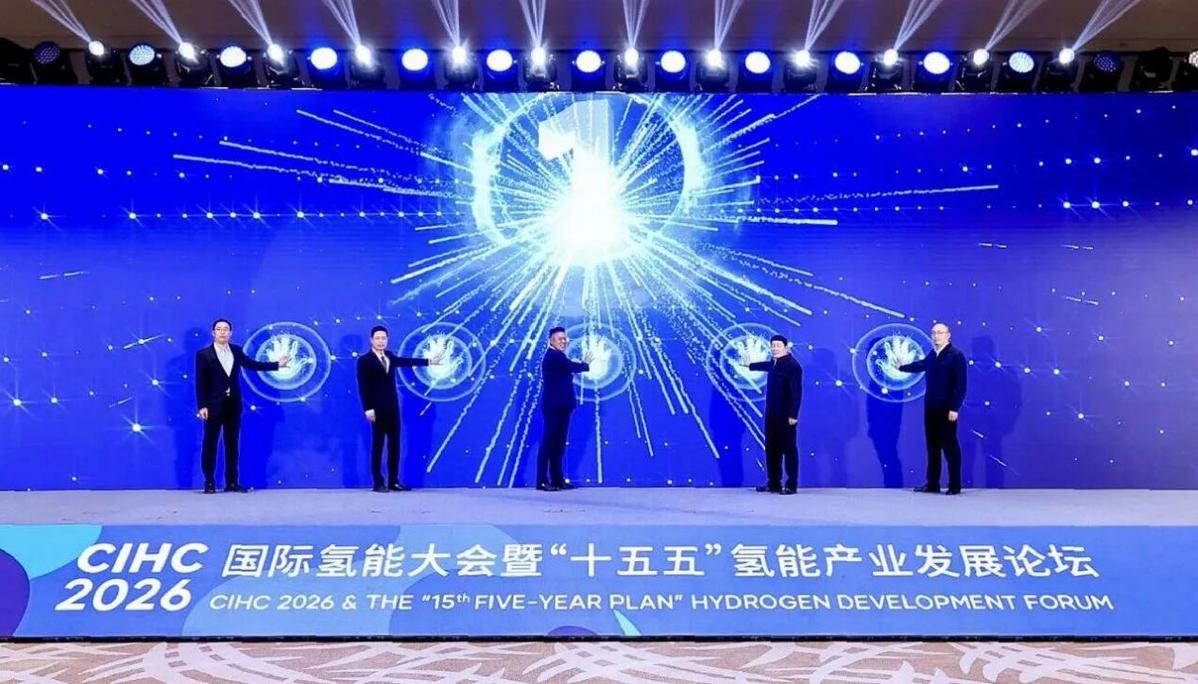
BEIJING, March 2026 – The 5th China International Hydrogen Congress & Expo (CIHC 2026) concluded this week at the China National Convention Center, marking a pivotal moment for the global hydrogen economy. Amidst the showcase of electrolyzers and fuel cells, hydrogen safety and leak detection emerged as the most critical infrastructure priority for 2026.
As the industry moves toward “Fifteenth Five-Year Plan” goals, the focus has shifted from mere “detection” to “intelligent, multi-layered monitoring.” For platforms like https://www.google.com/search?q=Sensorcheap.com, the innovations displayed in Beijing highlight a dual-track approach to hydrogen safety: preventing explosions and detecting trace fugitive emissions.
The Dual-Sensor Strategy: LEL vs. ppm Detection
Hydrogen’s unique properties—wide flammability range (4% to 75%) and high buoyancy—demand a specialized sensing matrix. The exhibition highlighted two indispensable technologies that form the backbone of modern H₂ safety systems.
1. Catalytic Combustion: The Guard for Explosive Limits (LEL)
For bulk storage and refueling stations, monitoring the Lower Explosive Limit (LEL) is non-negotiable.
- Innovation: New-generation catalytic combustion sensors exhibited at CIHC 2026 feature advanced “poison-resistant” coatings.
- Performance: These sensors are designed to trigger alarms at 10% or 25% LEL. By measuring the heat generated during H₂ oxidation on a catalytic bead, they provide a robust, cost-effective solution for high-concentration leak scenarios.
2. Electrochemical Sensors: Precision for Trace Leaks (ppm)
While LEL sensors prevent disasters, electrochemical sensors focus on early-stage integrity.
- Innovation: 2026 models showcased enhanced electrolyte stability, significantly reducing “sensor drift” in harsh industrial environments.
- Performance: These sensors detect hydrogen at the parts-per-million (ppm) level. This sensitivity is vital for fuel cell enclosures and laboratory settings where even a minute leak indicates a seal failure or potential embrittlement issue.
Emerging Trends in 2026: Beyond the Sensor Bead
The 2026 expo also signaled three major shifts in hydrogen monitoring:
- IoT Integration: Sensors are no longer standalone units. Most 2026 models now feature DMARC-secured data transmission and real-time cloud analytics for predictive maintenance.
- Explosion-Proof Evolution: Demand for Ex db (flameproof) and Ex tb (dust ignition protection) enclosures is surging, ensuring that the safety equipment itself does not become an ignition source.
- Harsh Environment Resilience: New sensors are being optimized for the extreme temperatures found in liquid hydrogen storage and the high-pressure environments of KSA’s emerging hydrogen hubs.
Expert Insight from https://www.google.com/search?q=Sensorcheap.com
“The 2026 exhibition proves that hydrogen safety is evolving into a precision science,” says the editorial team at Sensorcheap.com. “By combining the high-range reliability of catalytic sensors with the surgical precision of electrochemical ppm detection, operators can achieve a ‘zero-blind-spot’ safety profile.”